
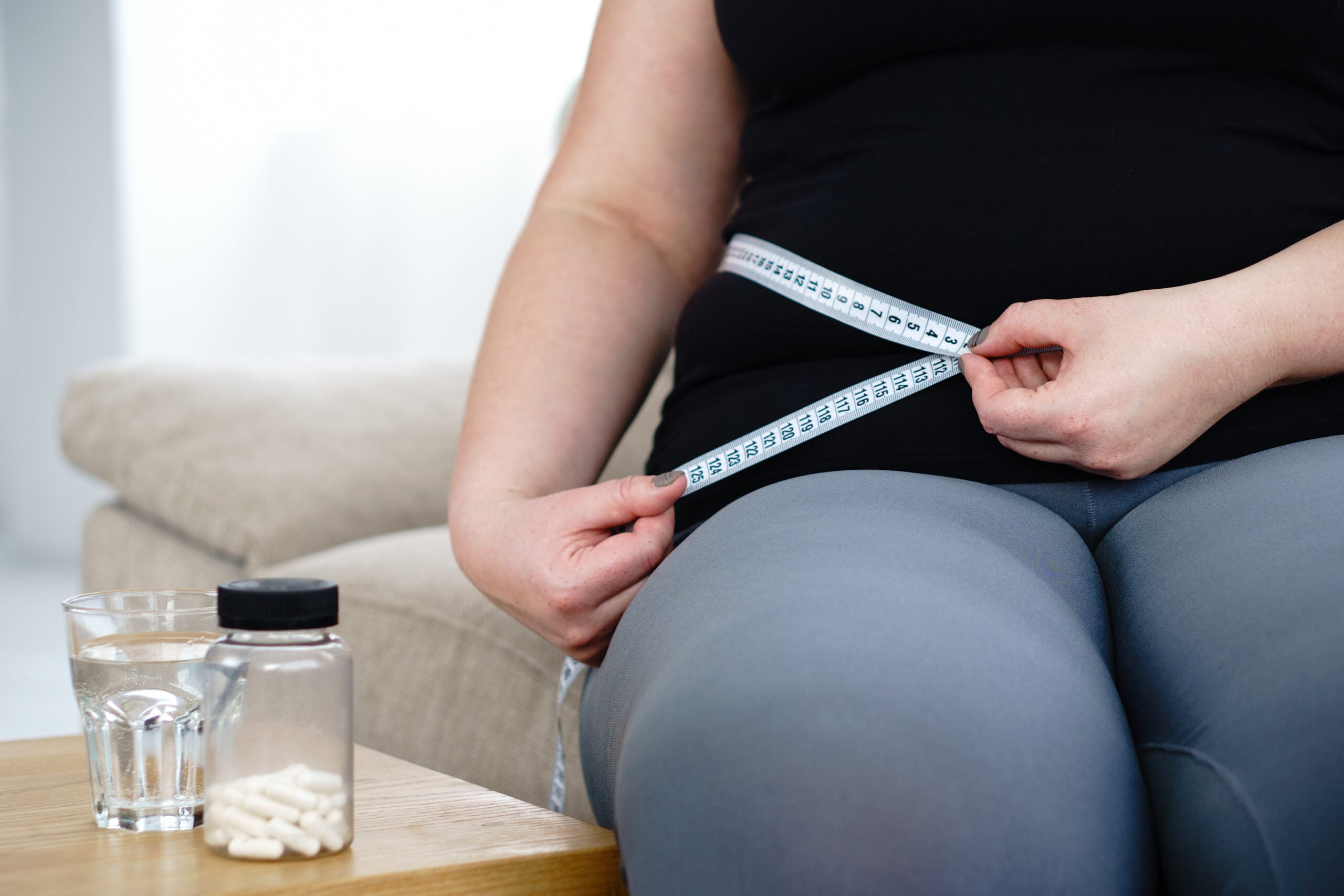

The risk factors for prediabetes are the same as for diabetes, and include: overweight/obesity and larger waist circumference, minimal physical activity, smoking, high blood pressure and cholesterol, and unhealthy diet.
This is where your body has high sugar levels even when you are not eating or drinking, and is measured by fBGL (fasting blood glucose level).
This is where your body has high sugar levels after a meal, and is measured by 75 g OGTT (two hour oral glucose tolerance test).

This is where your body has a raised HbA1c level (glycated haemoglobin) level, meaning that over the past few months, your blood sugar levels have consistently been higher than normal range. It is measured by HbA1c.

This is where your body has high sugar levels both when eating and after a period of not eating or drinking, and is measured by a combination of fBGL and 75 g OGTT.

There are three main tests your doctor can do to see if you have prediabetes (or diabetes). HbA1c and fBGL are the most common. The OGTT can distinguish between IGT and IFG, unlike HbA1c.
fBGL is a test of how well your body controls your sugar levels when you are not eating or drinking.
The 2hOGTT is a test of how your body responds to sugar. This tells us how effectively insulin works as a key on sugar in the blood.
HbA1c is a measure of blood sugar levels over the past three months. It gives a better idea of your prediabetes over a longer time.
Prediabetes is identified when blood glucose levels are higher than normal but not yet in the diabetes range. This can be measured using fasting blood glucose (fBGL) or HbA1c levels, which reflect longer-term blood sugar control.
The thresholds shown provide a clear guide to where prediabetes sits between normal glucose levels and diabetes, helping support early identification and intervention.
Get in touch with the team, join DO-CAG today, stay up to date with upcoming events, and subscribe to receive the latest updates.
The Prediabetes Landing Page is an educational website developed by diabetes clinicians and academics. It is not intended as a substitute for formal medical advice. We recommend you seek care from your normal general practitioner or healthcare provider for diagnosis and management of prediabetes.
The DO-CAG recognises and pays respect to the Elders and communities – past, present, and emerging – of the lands on which we work and live. For thousands of years, they have shared and exchanged knowledges across innumerable generations for the benefit of all.